

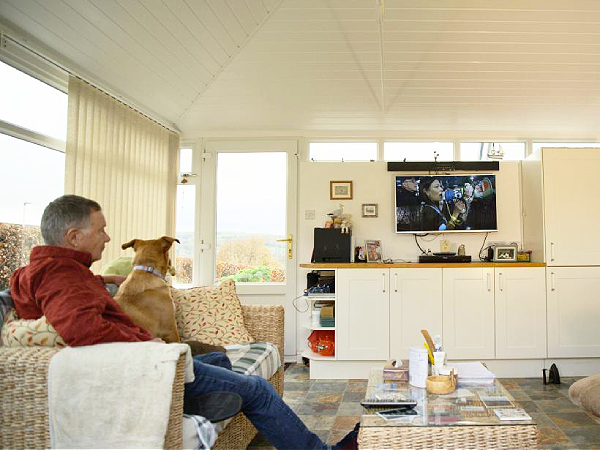
As a family man, I know how frustrating it can be to have a conservatory that looks like a great extra room but is simply too hot in summer and too cold in winter.
A conservatory should be somewhere the family can enjoy together. It should be a place for the children to play, somewhere to sit with a cup of tea, enjoy a meal or relax at the end of the day.
Unfortunately, many conservatories end up becoming unused storage spaces because the temperature is so difficult to control. That is why I regularly recommend conservatory roof insulation to homeowners who want to make better use of the space they already have.
Why does a conservatory get so hot in summer?
Most traditional conservatory roofs are made from glass or polycarbonate. These materials allow plenty of natural light into the room, but they can also allow a large amount of heat to build up.
On a sunny day, the conservatory can quickly start to feel like a greenhouse. You can open the windows, use fans and close the blinds, but the room can still become uncomfortable.
Conservatory roof insulation helps by creating a protective thermal barrier between the outside roof and the inside of the room. This reduces the amount of heat entering through the roof during summer, helping the room feel cooler, more balanced and much more comfortable for the whole family.
Conservatory insulation also helps during winter
The benefit of conservatory roof insulation is that it works throughout the year.
During summer, it helps reduce excessive heat entering the room. During winter, it helps prevent warmth from escaping through the roof. This can make it easier to heat the conservatory and reduce the need to constantly use portable electric heaters.
For me, the main benefit is simple: it turns the conservatory into a room the family can actually use more often.
My recommendation for families working with a tighter budget
Not every homeowner wants or needs the most expensive solution. For families working with a tighter budget, I would recommend an insulated conservatory roof with a PVC internal finish.
PVC ceiling panels provide a clean and tidy appearance while keeping the overall cost more manageable.
- Good thermal performance
- A clean and modern finish
- Low maintenance
- Faster installation
- Excellent value for money
- A brighter-looking internal ceiling
A PVC finish may not create exactly the same appearance as a fully plastered ceiling, but it can still make a major difference to how comfortable and usable the conservatory feels.
It is a sensible option for homeowners who want to improve the room without stretching beyond their budget.
My recommendation for a mid-range budget
For homeowners with a mid-range budget, I would recommend an insulated conservatory roof with lightweight roof tiles and a plastered internal ceiling.
This creates a more permanent, extension-like appearance. From inside, the plastered ceiling makes the conservatory feel much more like a natural part of the house. From outside, the lightweight roof tiles provide a more traditional tiled-roof appearance without placing the same level of weight on the existing conservatory structure.
- Improved thermal performance
- A smooth plastered internal ceiling
- A more premium appearance
- Reduced noise from heavy rain
- Lightweight tiles designed for conservatory roofs
- A room that feels more like a proper extension
- Greater comfort throughout the year
This is the option I would recommend to families who want a higher-quality finish and better overall aesthetics while still keeping the project within a sensible budget.
PVC finish or plaster finish: which should you choose?
The right choice will depend on your budget, how you currently use the conservatory and the finished appearance you want to achieve.
A PVC ceiling is ideal for homeowners looking for an affordable, practical and low-maintenance solution.
A plastered ceiling with lightweight tiles is better suited to homeowners who want the conservatory to feel like another proper room within the house.
Both options can improve comfort. The biggest difference is usually the appearance, installation process and overall project cost.
Is conservatory roof insulation worth it?
In my view, conservatory roof insulation is worth considering if the room is currently too hot, too cold or rarely used.
You have already paid for the space. It makes sense to find a practical way of helping your family enjoy it.
Insulating or replacing the conservatory roof can be much more affordable than building a completely new extension. It can also improve the appearance of the room and make it suitable for a wider range of uses, including a family dining area, children’s playroom, home office, second sitting room or quiet reading space.
My honest advice to homeowners
My advice is always to choose the solution that suits your home and your finances.
Do not feel pressured into choosing the most expensive finish if a PVC ceiling will give you the improvement you need.
Equally, if you want the conservatory to feel fully integrated with the rest of the house, it may be worth investing slightly more in a plastered ceiling and lightweight tiled conservatory roof.
The most important thing is that the roof is properly designed, insulated and installed. A well-insulated conservatory roof should help control the temperature, reduce heat loss and make the room more enjoyable for the whole family.
Frequently asked questions about conservatory insulation
Does conservatory insulation stop heat in summer?
Conservatory roof insulation can significantly reduce the amount of heat entering through the roof. It will not make the conservatory completely immune to hot weather, but it can make the temperature much more comfortable and manageable.
Is a PVC conservatory ceiling a good option?
Yes. A PVC ceiling can be an excellent choice for homeowners working with a limited budget. It is affordable, clean-looking, easy to maintain and can be installed alongside effective roof insulation.
Is a plastered conservatory ceiling better?
A plastered ceiling generally provides a more premium and permanent appearance. It can make the conservatory feel more like a traditional extension or living room.
Are lightweight roof tiles suitable for conservatories?
Lightweight roof tiles are designed to provide the appearance and protection of a tiled roof without adding excessive weight to the existing conservatory structure. The suitability of the structure should always be assessed before installation.
Can an insulated conservatory roof reduce heating costs?
Insulation can reduce the amount of heat escaping through the conservatory roof. This may make the room easier and more economical to heat, although the final saving will depend on the property, heating system and quality of installation.
Transform your conservatory into a room the family can enjoy
A conservatory should not be a room you avoid for half of the year.
With the right insulation and internal finish, it can become a comfortable and welcoming part of the family home.
For tighter budgets, I recommend a clean PVC internal finish. For families with a mid-range budget who want a more premium appearance, I recommend a plastered internal ceiling combined with lightweight roof tiles.
Both solutions can help create a cooler conservatory in summer, a warmer conservatory in winter and a room the whole family can enjoy throughout the year.
To discuss the right option for your home, request a free conservatory roof insulation survey and quote from Sagars365.
Nick
Director, Sagars365
